
Zinc for All-Seasons Immunity

Updated: Jun 14

In All-Seasons in Vermont, I see in my practice—patients experiencing more frequent colds, sinus infections, fatigue, and lingering respiratory illnesses. As a chiropractor and clinical nutritionist, one nutrient I consistently find lacking is zinc.
Zinc plays a central role in immune resilience, yet many people are unknowingly deficient. When zinc levels are insufficient, the immune system struggles to respond effectively to seasonal stressors. For this reason, zinc immune support is one of the key strategies I use in my nutrition protocols during the winter months and beyond.
Why Zinc Is Essential for One’s Immunity
Zinc is a trace mineral required for over 300 enzymatic reactions in the body. It plays an essential role in immune cell communication, tissue repair, and inflammation regulation.
During the winter and beyond, when viral exposure increases, zinc becomes particularly important for maintaining strong immune defenses.
Clinical research and clinical experience both demonstrate that zinc supports:
Activation of T-cells and natural killer cells
Healthy inflammatory balance
Faster recovery from respiratory infections
Protection of the respiratory lining
Shorter duration of common colds
Signs of Zinc Deficiency
Because zinc influences many body systems, deficiency can present in several ways. Some of the more common signs I see in practice include:
Frequent colds or respiratory infections
Slow wound healing
Reduced sense of taste or smell
White spots on fingernails
Skin issues such as acne or eczema
Low appetite or poor digestion
Fatigue or poor recovery from illness
How Zinc Supports the Immune System
1. Strengthening the Body’s First Line of Defense
The respiratory tract acts as a protective barrier against pathogens. Zinc supports the health of these tissues, helping prevent viruses and bacteria from gaining a foothold.
2. Supporting Immune Cell Communication
Zinc plays an important role in the pathways that allow immune cells to identify and respond to infections efficiently.
3. Helping Regulate Inflammation
A balanced immune response is essential. Too little response allows infection to spread, while too much inflammation can damage tissue. Zinc helps regulate this balance.
Zinc and Functional Nutrition
My approach to winter immunity focuses on identifying and correcting the root causes of weakened immune function.
Through Nutrition Response Testing, I assess how the body is responding to nutritional stress and determine which nutrients may be needed to restore balance.
In many cases, a targeted nutritional protocol that includes zinc can significantly improve immune resilience during the winter season.

Standard Process Zinc Complex is a balanced trace mineral formula that provides zinc along with copper and iron in a carefully designed chelated form. These minerals work together in the body and are important for a wide range of physiological processes, particularly those related to immune health, enzyme activity, and cellular energy production.
This formula supports several key functions in the body, including:
Supporting immune system function during periods of stress or seasonal illness
Encouraging healthy cellular energy production, which helps the body maintain vitality and resilience
Supporting proper enzyme functioning, as zinc plays a role in hundreds of enzymatic reactions
Promoting red blood cell formation, an important factor in oxygen delivery and overall energy levels
Zinc Complex also serves as an excellent source of zinc, iron, and copper, helping address trace mineral imbalances that may contribute to fatigue, weakened immunity, or reduced recovery capacity.
In my clinical work using Nutrition Response Testing, zinc supplementation is often part of a personalized nutritional protocol designed to restore balance and support the body’s natural healing processes. As with any nutritional program, the goal is not simply to add supplements but to provide the specific nutrients the body needs to function optimally.
Nutritional Foundations for Winter Immune Support
While supplementation can be helpful, the foundation of winter immunity always begins with diet and lifestyle.
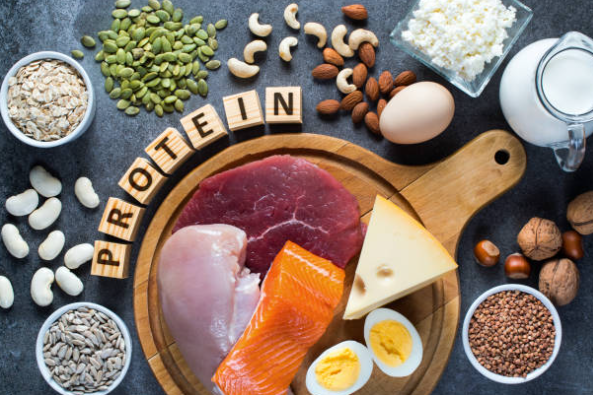
Patients are encouraged to prioritize nutrient-dense foods that naturally contain zinc, including:
Grass-fed beef
Pastured eggs
Pumpkin seeds
Oysters and shellfish
Nuts and legumes
Supporting digestion is also critical, as poor digestive function can limit mineral absorption.
At Living Well NEK, we work closely with patients to improve digestive health, reduce inflammatory stress, and transition toward nutrient-rich dietary choices that support long-term wellness.
Dr. Francine Lajoie is a chiropractor and Advanced Clinical Nutritionist dedicated to helping people of all ages achieve optimal health and wellness. My work focuses on restoring balance through natural nutrition programs that optimize health, improve quality of life, and help patients achieve long-term vitality
You can purchase this product and other supplement products we recommend directly at our offices or through one of the direct-to-your-door online options here.


Comments